
The restaurant industry in emerging markets is growing rapidly. Urban expansion, a rising middle class, and increased demand for dining experiences are creating new opportunities for restaurant owners. However, alongside this growth come operational challenges that can limit efficiency and profitability.
In many emerging markets, restaurants operate in environments where digital infrastructure is still developing, online payments are not fully adopted, and operational systems remain largely manual. This is exactly why restaurants in emerging markets need smart ordering solutions — not necessarily complex or expensive technology, but practical systems designed for real-world conditions.
In this article, we explore why smart ordering systems are becoming essential for restaurants in emerging markets and how they can transform daily operations without adding unnecessary complexity.
The Unique Challenges of Emerging Markets
Restaurants in emerging markets face a different set of challenges compared to those in highly digitized economies. Some of the most common issues include:
- Heavy reliance on cash payments
- Limited access to advanced point-of-sale integrations
- High staff turnover
- Manual order-taking processes
- Communication gaps between cashier and kitchen
- Difficulty updating printed menus
These challenges can slow down service, increase order mistakes, and reduce overall efficiency. While technology can help, the key is adopting the right type of solution — one that matches the local business environment.
The Problem with Traditional Ordering Systems
Traditional paper-based ordering systems are still common in many regions. While they may seem simple, they create operational bottlenecks.
Servers take orders manually. Cashiers re-enter them into the system. Kitchen staff interpret handwritten notes. During busy hours, this chain increases the risk of errors and delays.
Even small misunderstandings can result in:
- Incorrect meals
- Food waste
- Customer dissatisfaction
- Refunds or complaints
For restaurants operating with tight profit margins, these issues can significantly impact revenue.
Smart ordering solutions address these problems at their source.
What Are Smart Ordering Solutions?
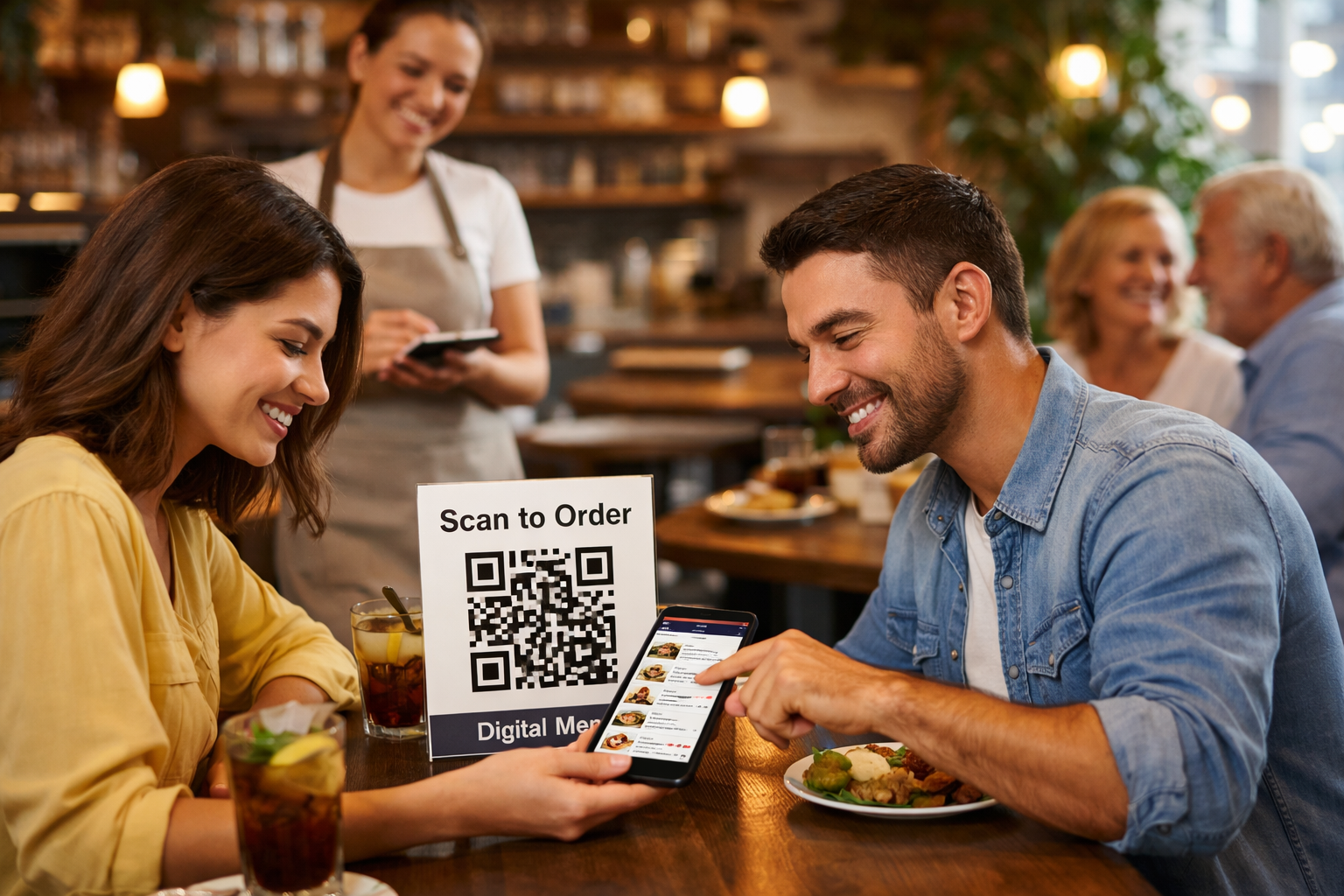
Smart ordering solutions refer to digital systems that allow customers to browse menus, customize orders, and send them directly to the restaurant’s internal dashboard — often through QR codes or web-based platforms.
Unlike complex restaurant management software that requires expensive hardware and online payment integrations, smart solutions designed for emerging markets focus on:
- Simplicity
- Accessibility
- Flexibility
- Operational organization
They enhance order management without forcing businesses into full digital payment ecosystems.
Reducing Order Errors and Improving Accuracy
One of the biggest benefits of smart ordering systems is the reduction of order mistakes.
When customers select their own items digitally:
- Choices are clearly recorded.
- Customizations are displayed accurately.
- Special requests are attached directly to the order.
This eliminates the risk of miscommunication between staff and customers. In markets where restaurants may operate with limited training resources or high employee turnover, minimizing human error becomes even more important.
Improved accuracy leads to better customer satisfaction and fewer operational disruptions.
Managing Peak Hours More Efficiently
In emerging markets, restaurants often experience unpredictable rush hours. Festivals, weekends, and local events can dramatically increase customer volume.
During peak periods, traditional ordering methods struggle. Long queues form at the cashier. Staff become overwhelmed. Waiting times increase.
Smart ordering solutions distribute the workload.
For example, QR-based systems allow customers to:
- Scan a code at their table.
- Browse the menu instantly.
- Submit their order without waiting for a server.
Orders appear immediately in the restaurant’s dashboard, allowing staff to focus on preparation and service rather than manual data entry.
This improves speed, reduces congestion, and enhances overall efficiency.
Supporting Cash-Based Economies
One of the main reasons restaurants in emerging markets hesitate to adopt digital systems is the dependence on online payment gateways.
Many customers still prefer cash payments. Some regions face unstable internet connectivity or limited access to digital banking services.
Smart ordering solutions designed for these markets do not force online payments. Instead, they allow digital order submission while maintaining traditional in-restaurant payment confirmation.
This hybrid approach provides operational efficiency without disrupting existing payment habits.
Lowering Operational Costs
Cost sensitivity is a major factor in emerging markets. Restaurant owners often operate with limited budgets and cannot invest heavily in expensive enterprise software or specialized hardware.
Smart ordering solutions offer a cost-effective alternative.
They typically:
- Work on existing devices (computers, tablets, cashier screens)
- Require minimal setup
- Reduce printing costs for menus
- Lower food waste due to order mistakes
- Improve staff productivity
Over time, the return on investment becomes clear through improved efficiency and reduced losses.
Increasing Menu Flexibility
In many emerging markets, supply chains can be unpredictable. Certain ingredients may become unavailable, or prices may fluctuate frequently.
Printed menus make rapid updates difficult and expensive.
Smart ordering systems provide flexibility. Restaurant owners can:
- Update prices instantly.
- Disable unavailable items.
- Introduce temporary offers.
- Modify customization options.
Changes are reflected immediately to customers, ensuring accurate expectations and smoother operations.
Improving Customer Experience Without Complexity
Modern customers appreciate convenience, even in developing markets. Smartphone usage continues to grow globally, including in emerging economies.
Smart ordering systems align with this trend by offering a familiar digital experience without requiring app downloads or account registrations.
Customers simply scan a QR code and begin ordering.
This enhances:
- Speed of service
- Order transparency
- Perceived modernity of the restaurant
Importantly, the technology remains simple and intuitive, ensuring accessibility for a wide range of customers.
Strengthening Operational Control for Owners
Restaurant owners in emerging markets often manage multiple responsibilities at once. Having better visibility over daily operations can significantly improve decision-making.
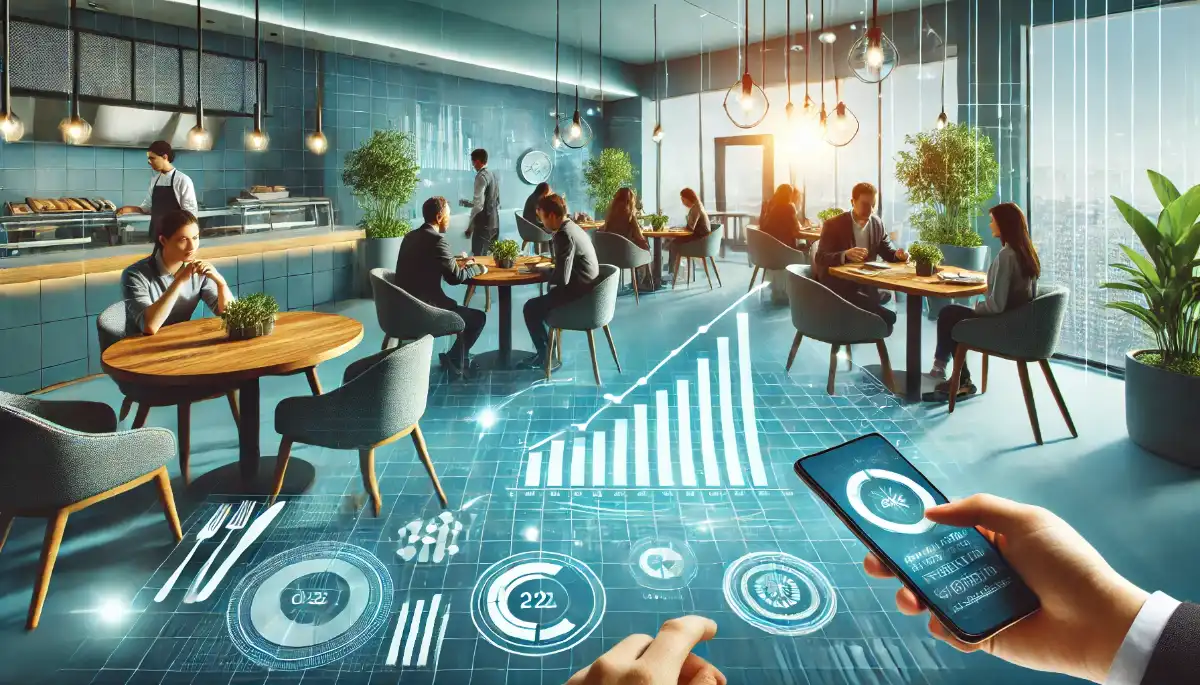
Smart ordering solutions provide real-time dashboards that display:
- Incoming orders
- Paid and unpaid orders
- Order status
- Popular items
This data allows owners to identify trends, manage staff performance, and optimize inventory planning.
Better information leads to better business strategies.
Preparing for Long-Term Growth
Emerging markets are evolving quickly. As digital infrastructure improves and consumer behavior shifts, restaurants that adopt smart systems early will be better positioned for future growth.
Implementing a smart ordering solution today creates a foundation for potential expansion tomorrow. Whether adding online payments later, integrating with POS systems, or expanding to multiple branches, digital organization becomes a valuable asset.
Restaurants that remain fully manual may struggle to compete as customer expectations continue to rise.
Conclusion
Restaurants in emerging markets face unique operational challenges — from cash-based transactions to limited digital infrastructure and high staff turnover. However, these challenges also create an opportunity for practical innovation.
Smart ordering solutions offer a balanced approach. They improve efficiency, reduce errors, support cash payments, lower operational costs, and enhance customer experience — all without introducing unnecessary technical complexity.
For restaurant owners seeking sustainable growth and better operational control, adopting a smart ordering system is not just a technological upgrade. It is a strategic step toward modernization, competitiveness, and long-term success.
In a rapidly changing industry, smart solutions are no longer optional. They are essential for restaurants that want to thrive in emerging markets.