
The restaurant industry is evolving rapidly. Customer expectations are higher than ever, competition is intense, and operational efficiency has become essential for survival. In this environment, adopting a QR ordering system is no longer just a modern upgrade — it is a strategic move that can completely transform restaurant operations.
From reducing order mistakes to improving workflow and speeding up service, a QR-based digital ordering solution can help restaurants operate smarter, faster, and more efficiently. In this article, we explore how a QR ordering system can transform restaurant operations and why it has become a powerful tool for restaurant owners worldwide.
What Is a QR Ordering System?
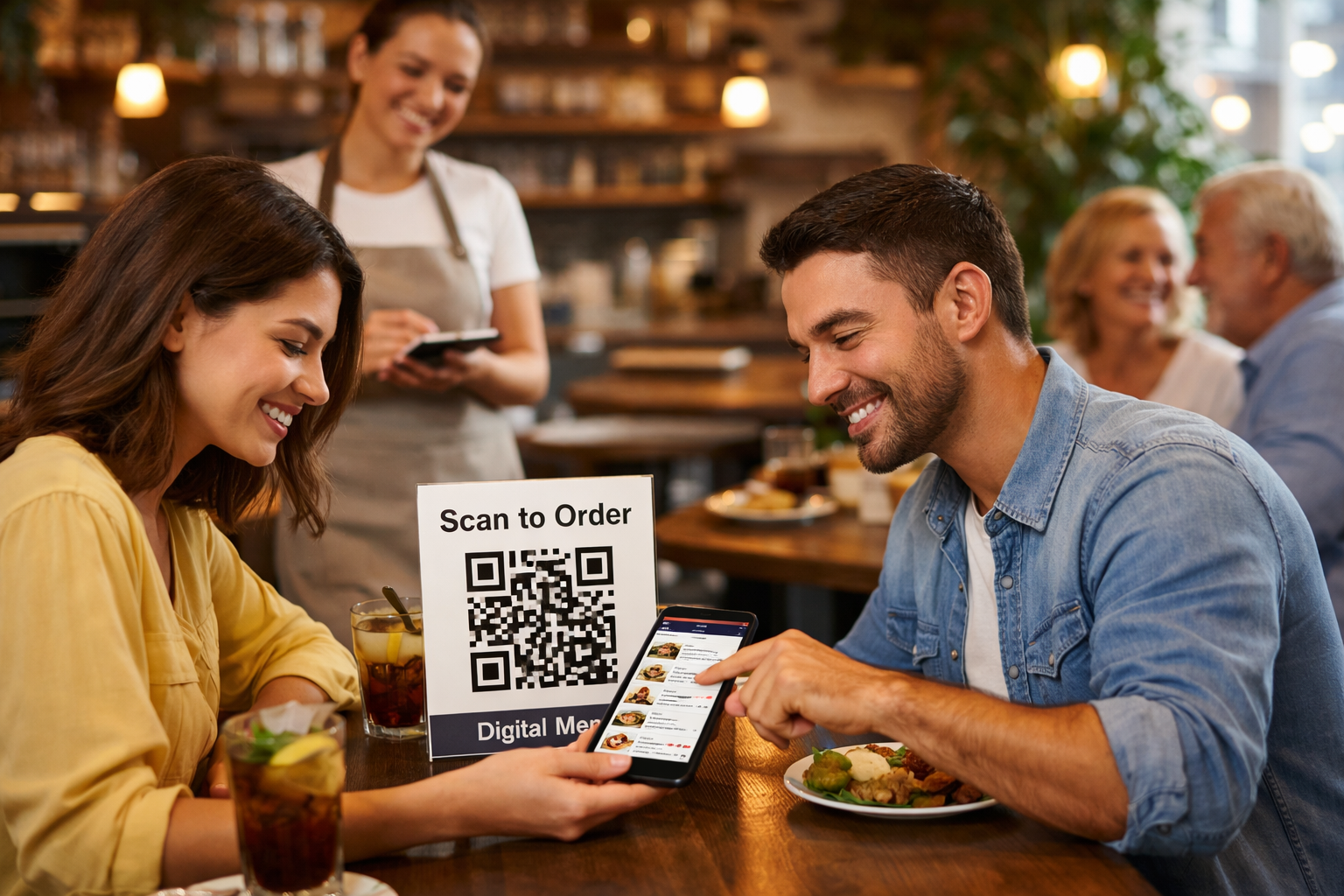
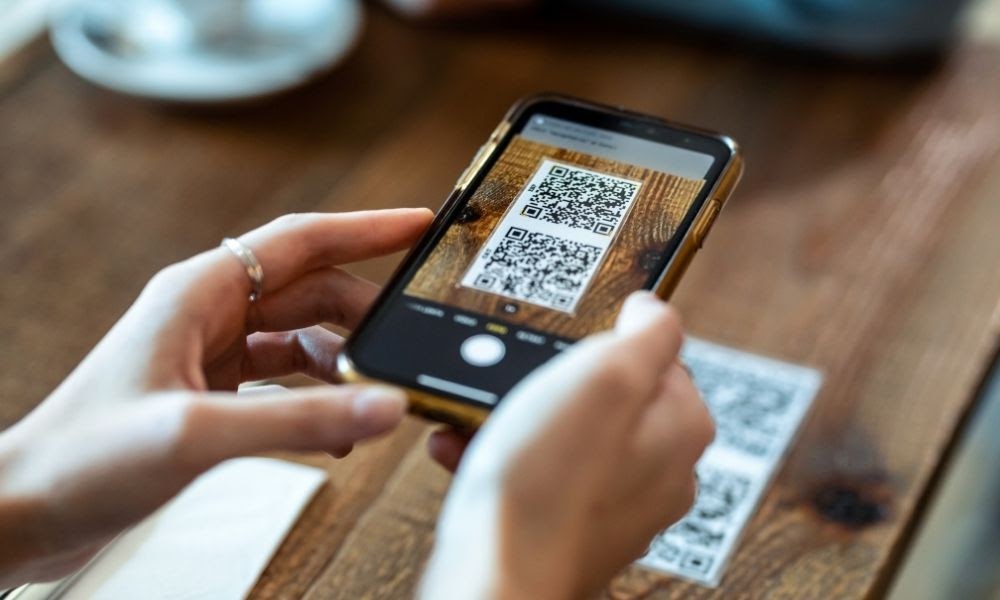
A QR ordering system allows customers to scan a QR code placed on their table using their smartphone. Once scanned, the code opens a digital menu in their browser. Customers can browse items, customize their orders, and submit them directly to the restaurant’s cashier or management dashboard.
Unlike traditional ordering methods, there is no need for printed menus, verbal communication for order taking, or manual entry by staff. Everything is digital, structured, and instant.
This simple shift from paper-based ordering to a digital QR menu creates significant operational improvements behind the scenes.
Reducing Order Mistakes and Miscommunication
One of the most common challenges in restaurant operations is order errors. Misheard items, unclear handwriting, incorrect modifications, or forgotten special requests can all lead to customer dissatisfaction and food waste.
A QR ordering system eliminates these problems at the source.
When customers enter their own orders:
- Item selections are clearly recorded.
- Customizations such as extra toppings or removed ingredients are precisely displayed.
- Special notes are directly attached to the order.
Because the system captures information digitally, there is no risk of misunderstanding between the customer, the cashier, and the kitchen. This significantly reduces order mistakes and improves accuracy across the entire workflow.
Over time, fewer errors mean fewer complaints, less food waste, and improved customer trust.
Speeding Up Service During Peak Hours
Peak hours can overwhelm even the most organized restaurant. Long lines, crowded counters, and overloaded staff can slow down service and frustrate customers.
A QR ordering system transforms how restaurants handle busy periods.
Instead of waiting for a server or cashier, customers can immediately scan the QR code and place their order. Orders are sent instantly to the system without requiring staff intervention.
This leads to:
- Faster order submission
- Reduced waiting times
- Less pressure on the cashier
- Smoother table turnover
By decentralizing the order-taking process, restaurants can handle more customers efficiently without increasing staff numbers.
Improving Workflow and Internal Organization
Efficient restaurant operations depend on clear communication between the front-of-house and back-of-house teams. A QR ordering system enhances this communication through structured digital dashboards.
Orders are displayed in real time, categorized clearly, and organized systematically. Restaurants can track:
- New orders
- Confirmed orders
- Paid and unpaid orders
- Completed orders
This visibility helps managers maintain better control over daily operations. Instead of relying on memory or manual tracking, everything is visible and traceable within the system.
Improved organization reduces stress among staff and ensures smoother coordination between departments.
Enhancing Menu Flexibility and Control
Traditional printed menus limit flexibility. If prices change or items become unavailable, updating a physical menu requires time and expense.
With a QR-based digital menu, restaurant owners gain full control.
They can:
- Update prices instantly
- Add or remove menu items
- Disable unavailable dishes
- Create special offers
- Adjust customization options
Changes appear immediately to customers after scanning the QR code. This level of flexibility allows restaurants to respond quickly to supply changes, seasonal promotions, or operational adjustments.
Menu management becomes dynamic rather than static.
Lowering Operational Costs
Adopting a QR ordering system can also help reduce operational costs in several ways.
First, printing costs decrease significantly. There is no need to constantly reprint menus due to price updates or design changes.
Second, reduced order mistakes mean less wasted food and fewer refunds.
Third, by improving efficiency during peak hours, restaurants can handle more customers without hiring additional staff.
Over time, these savings contribute to better profit margins and a more sustainable business model.
Improving the Customer Experience
Modern customers appreciate convenience and speed. A QR ordering system provides both.
Customers enjoy:
- Immediate access to the menu
- Clear item descriptions
- Easy customization
- Faster ordering
- Reduced waiting time
The process feels modern yet simple. There is no need to download an application or create an account. They simply scan, browse, and order.
At the same time, customers still complete payment inside the restaurant if online payment is not required. This makes the system adaptable for markets where digital payments are not widely used.
When customers experience fewer mistakes and faster service, overall satisfaction increases.
Supporting Restaurants in Emerging Markets
Not all markets rely heavily on online payment systems or complex digital infrastructure. Many restaurants operate in environments where cash payments are still dominant.
A QR ordering system designed without mandatory online payment integration is ideal for these markets.
Restaurants can benefit from digital order organization without forcing customers into online payment processes. Payment confirmation can still happen traditionally inside the restaurant.
This balance between digital efficiency and practical flexibility makes QR ordering systems highly suitable for emerging markets.
Increasing Operational Transparency
For restaurant owners and managers, visibility is crucial.
A QR ordering system provides real-time data about daily operations. Managers can analyze:
- Order volume
- Popular menu items
- Busy hours
- Customer ordering patterns
This information helps in making better business decisions, adjusting staffing schedules, and planning inventory more effectively.
Operational transparency leads to smarter management.
reparing Your Restaurant for the Future
The restaurant industry continues to evolve toward digital transformation. Customers are becoming more comfortable with QR codes and digital interfaces.
Implementing a QR ordering system positions your restaurant as modern, organized, and forward-thinking.
Even if your restaurant operates traditionally today, adopting digital ordering technology prepares your business for future expansion and changing customer expectations.
It is not about replacing human interaction — it is about improving efficiency while allowing staff to focus more on hospitality and service quality.
Conclusion
A QR ordering system is more than just a digital menu. It is a complete operational upgrade.
By reducing order mistakes, speeding up service, improving internal workflow, enhancing menu flexibility, and lowering operational costs, this technology can transform restaurant operations from the inside out.
For restaurant owners looking to improve efficiency without adding complex systems or forcing online payments, a QR ordering solution offers a practical and powerful step forward.
In a competitive market, operational efficiency is not optional — it is essential. And adopting a QR ordering system may be the transformation your restaurant needs to thrive in the modern dining landscape.